Birds
Embleton Quarry Nature Reserve hosts a range of bird species throughout the seasons.
In winter the quarry has wintering wildfowl. Gadwall, Shoveler, Teal, Tufted Duck and Goldeneye are all regular visitors. The pond also hosts a small wintering population of Common Snipe that use the pond margins for cover and feeding.
In spring and autumn the quarry offers a welcome stopover for migrating birds. In spring look out for the occasional Ring Ouzel, Redstart or Whinchat stopping off en-route to their breeding grounds further north. In autumn large numbers of southbound Redwings and Fieldfares arrive from the continent; they stop at the quarry to munch on the abundance of hawthorn berries.
Autumn also offers a chance at seeing other migrating birds such as Woodcock and Short-eared Owl that occasionally use the site.
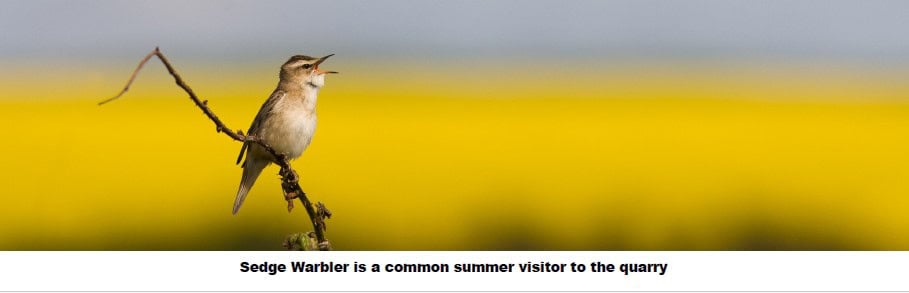
In the summer the quarry comes alive with breeding activity; it hosts most of the common UK warbler species including Grasshopper Warbler and Lesser Whitethroat. The pond margins are home for Reed Buntings and Sedge Warblers.
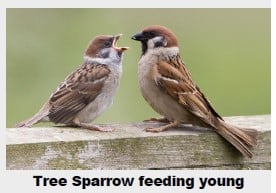
Breeding water birds include Little Grebe, Coot, Mallard, Gadwall and occasionally Mute Swan. The ruins of Quarry House hold a locally important colony of Tree Sparrows that nest in the old walls.
Mammals
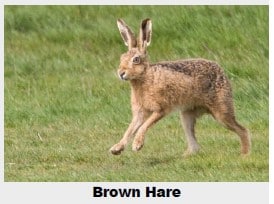
Many small mammals live in the quarry. Wood Mouse, Common Shrew and Short-tailed Field Vole are among those that have been recorded and larger mammals include Brown Hares.
A few species of bats have been recorded at the quarry. These include Pipistrelle, Brown Long-eared and Noctule. Daubenton’s Bat has also been recorded near the pond; this species generally has strong association with water bodies.
Amphibians
Embleton Quarry Nature Reserve hosts a number of amphibians including Common Frog, Common Toad and Smooth Newt. These amphibians use the whole site, spending the spring and summer in wetland areas and then often dispersing across the site to seek out hibernation areas for the winter.
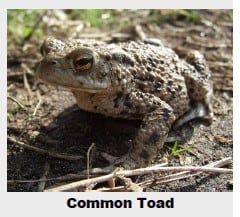
For hibernation they prefer areas that are underground, moist and sheltered from frost, often holes in the bases of hedges, old stone piles, pond banks or walls.
Insects
The quarry is home to a huge number of insect species which reflects the broad range of habitats and wildflowers found on the Nature Reserve. Many insects have a strong link to certain habitat types or plant species.
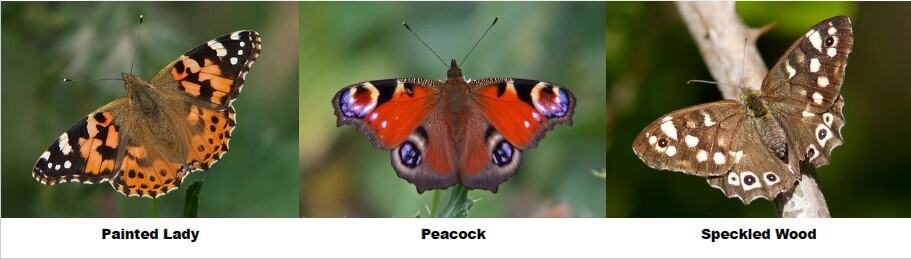
Perhaps the most obvious insects you may encounter will be butterflies and bees. Regular butterflies to look out for around the quarry include the Red Admiral (as seen on our logo!), Small Tortoiseshell, Peacock, Painted Lady, Wall Brown, Common Blue and Speckled Wood.
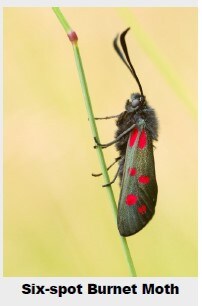
The quarry is also home to moths, many of which are associated with grassland habitats. 242 species of moths have been recorded in surveys at the quarry. The species perhaps seen most often are the Six-spot Burnet Moth and Silver Y (both are day flying moths that can be seen around the wildflowers in the quarry).
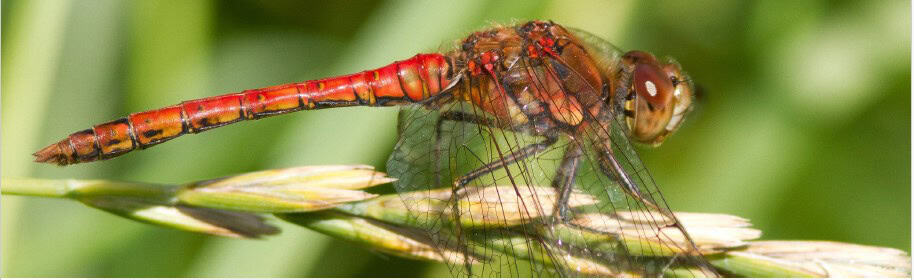
The pond area is home to range of dragonflies and damselflies; the most commonly seen here are the Common Blue Damselfly, Common Darter and Southern Hawker. Migrant Hawker can sometimes appear in the Autumn.