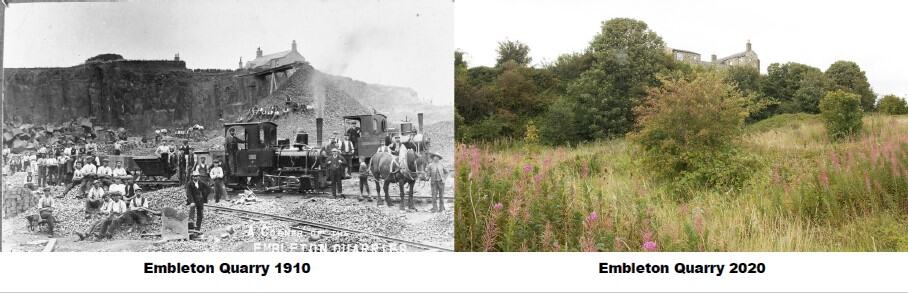
The site was opened as a Whinstone Quarry in 1864 and operated for nearly a century, finally closing in 1961. The quarry was a prolific producer of whinstone setts and blocks for use in pavements and buildings, producing between 20,000 and 30,000 tons per year. At the peak of production the quarry employed around 80 men, women and children.
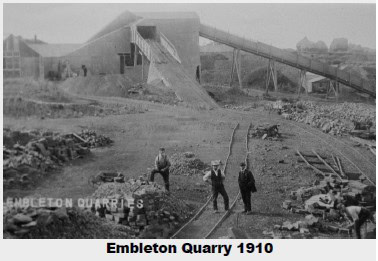
Between 1970 and 1984 the quarry was used as a landfill site. Operated by Alnwick District Council, the site was a dump for household waste. In 1984 when the landfill site finally closed, it was capped with soil and left to nature. The soil used was relatively low in nutrients, providing perfect conditions for wildflowers to flourish. As the quarry is protected from neighbouring agricultural land and associated inputs, it has developed into an important site for wildflower conservation.
Today the quarry still shows signs of its industrial past. There are tall cliff faces to the south and north-west of the site that were created and left by the quarrying activity. An old ruined cottage sits on the northwestern boundary of the site; this is the old Quarry Master’s House. This
house was lived in until the late 1970s but now sits in disrepair. The people have moved out but wildlife has moved in and the house is now home to a large colony of Tree Sparrows and Pipistrelle Bats.
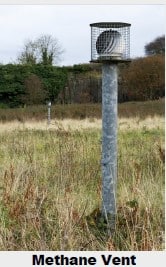
Look around and you will notice that there are a number of metal tubes with spinning fans on top. These are methane vents that were placed in the ground when the landfill site closed. The vents were designed to allow any methane build-up to escape and prevent explosions during the first few years after the site was capped.